AUDIO SOURCE AS8SW 100 watt Passive In-Wall Subwoofer (8.0") (8.75" cutout dimension)
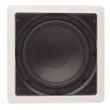 100 Watt Handling Power / Requires 4" Mounting Depth
With gas prices at an all time high and averaging over $3.00 a gallon, what Mtx 15 Subwoofer we do to curb the rising cost of transportation? Is there anything I can do to ease the burden on my wallet?
Surprisingly there is. There are a lot of ways to spread the burden of rising transportation cost. You can change your driving habits to get more fuel economy, you can look for alternate modes of transportation, or you can upgrade/modify your car for better gas mileage.
First we will look at changing your driving habits. The biggest cause of decreased fuel economy is how we drive. Fast acceleration, stop and go traffic, and higher highway speeds all can decrease fuel economy over the course of a tank of gas. First, look at how you accelerate. If you can train yourself to accelerate from a stop at a steady, moderate pace, you can save a lot of fuel. You don't want to accelerate too slowly, but you do want to keep the rpm's between 2250 and 3000 on shifts depending on your vehicle. Larger engines will create more power at low rpm's, and will usually shift naturally between 2250 and 2500 rpms. Smaller engines usually shift between 2500 and 2750, respectively. Keep this in mind in your stop and go traffic and you can conserve a little fuel that way.
The next thing to consider when trying to conserve fuel cost is to find alternate modes of transportation. The most cost effective way of doing this is to carpool. Find people who live near you that work close to where you work. This can be tricky, but there are services, especially in the Atlanta area, that can help you find commute partners. Asking around with coworkers can usually be just as effective. If you are married, you can carpool with your spouse to and from work. This may take little bit of time sacrifice, but you cut your fuel cost virtually in half. You can also look into trading in your vehicle for a more efficient car. Many of the new cars are averaging 30 or more mile per gallon (EPA estimates). Also a fun swap would be to a moped or motorcycle. These get outstanding gas mileage, but be aware of your most travelled routes. This is only a good idea if your daily drive/commute allows for a safe ride to and from work ad home.
Another option not thought about as much is to modify your current vehicle to get better gas mileage. You can add a cold air intake, a hydrogen booster, or many other types of gas saving upgrades. These upgrades are not typically though of as gas saving modifications because they can result in more aggressive driving habits due to the added performance they give your vehicle. If you are feeling the strains of the rising fuel costs, it may be time to do some research and make a change.
Majestic Modifications is the complete car customization concept, specializing in auto accessories, cold air intakes and performance upgrades, body kits and exterior accessories, glow gauges and interior accessories, wheels and tires, mobile video, car audio and electronics, technical support, tips, tricks, and advice for everything automotive!
posted by benjamin--efnxydif at 4:57 PM
0 comments

